A Complete Guide to Tile Installation Services: What You Should Know
Tile installation presents both rewarding and complex aspects. Homeowners frequently encounter decisions surrounding materials and budgets, as well as the necessity of hiring skilled professionals. It is essential to understand what to expect throughout this journey. From choosing the appropriate tiles to caring for them after installation, a variety of factors may impact the overall outcome. What challenges might arise, and how can one navigate them effectively? Understanding these answers will ultimately determine the overall experience and satisfaction achieved with the project.
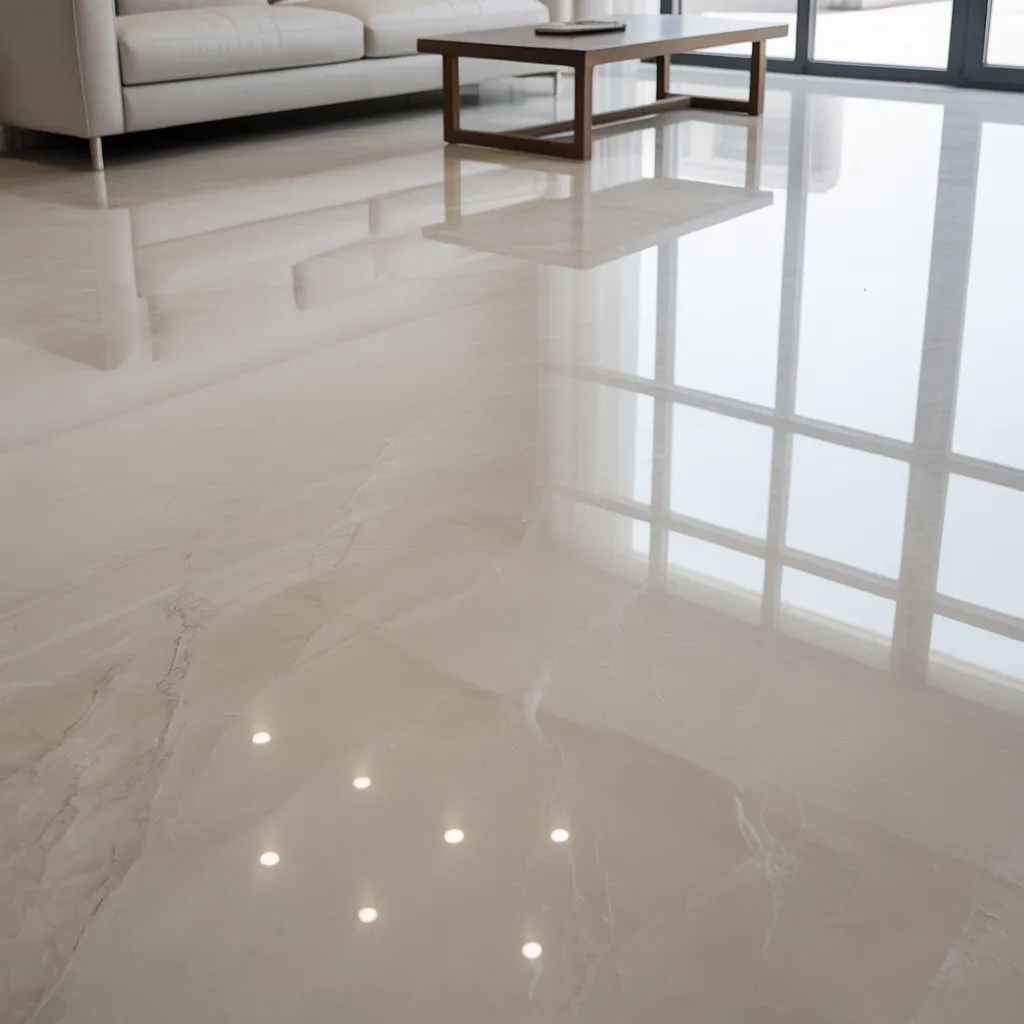
Finding the Perfect Tile Materials for Your Project
When starting a tile installation undertaking, homeowners often emphasize selecting the right tile options. The decision-making process includes various elements, including durability, appearance, and installation requirements. Common materials include ceramic, porcelain, and natural stone, each presenting distinct benefits and limitations.
Ceramic tiles are appreciated for their adaptability and affordability, making them well-suited for numerous spaces throughout the home. Porcelain tiles, celebrated for their robustness and resistance to water, are an excellent choice for busy areas and moisture-prone environments. Natural stone options, including marble and granite, provides an upscale look but requires more maintenance and care.
Residents should take into account the tile's pattern, size, and finish to accomplish the intended visual impact. Ultimately, the ideal choice of material can enhance the overall appeal and functionality of the room, ensuring the installation meets both practical needs and aesthetic preferences.
What to Expect During Your Tile Installation
During a tile installation, homeowners can anticipate a series of critical preparation steps preceding the installation day. Understanding what occurs on-site, from the preliminary setup to the physical placement of tiles, is essential for a smooth process. This section outlines these key expectations to help clients stay well-informed and confident.
Steps to Prepare Before Installation
Proper preparation is key for a productive tile installation, providing a seamless process and optimal results. It is recommended that homeowners begin by clearing the installation area of furniture and debris, creating a clean workspace for installers. Next, evaluating the subfloor is vital; it needs to be even and undamaged to adequately hold the new tiles in place. Any necessary repairs to the subfloor should be completed in advance. Moreover, picking the correct tile style and pattern can influence both aesthetics and functionality, so homeowners should consult with professionals for advice. To conclude, reviewing the timeline and required supplies with the installation team will ensure expectations are met and the project begins without issues. Thorough preparation sets the stage for a successful installation.
Installation Day Expectations
Installation day unfolds with a sequence of structured steps that ensure a successful tile laying process. The team of installers generally arrives ahead of schedule, equipped with necessary tools and materials. The team initiates by setting up the work area, ensuring it is clean and free from obstacles. After this preparation, the team will measure and mark the layout, ensuring that each tile is placed with precision. As they commence laying the tiles, they concentrate on keeping uniform spacing and straight alignment, frequently utilizing spacers to ensure precision. According to the scope of the installation, the process may take several hours. After the work is done, the installers will clean the workspace and share instructions on grout curing time. Clients can look forward to expert craftsmanship and meticulous care during the whole installation.
Tips for Hiring the Best Tile Installation Professionals
When searching for the most skilled tile installation professionals, how can one assure that the chosen experts have the required skills and dependability? First, researching local professionals online can yield helpful details. Reviews and testimonials from previous clients commonly demonstrate the level of craftsmanship and reliability.
Next, seeking various quotes facilitates an evaluation of services and pricing, assisting with informed decision-making. It is critical to verify that the professionals are properly licensed and insured, as this safeguards against potential liabilities.
Furthermore, asking for a collection of previous work can demonstrate the professional's experience and style, establishing suitability for personal preferences.
In conclusion, holding interviews can assist in gauging interpersonal skills and professional conduct, essential for a successful working relationship. By adhering to these guidelines, one can confidently select professional tile installers who align with their needs and expectations.
Common Challenges You Might Face During Tile Installation
During tile installation, a number of difficulties can occur that may impact the final outcome. Surface preparation issues can result in an uneven surface, while misalignment of tiles can lead to a aesthetically unsatisfactory finish. Tackling these issues is crucial for achieving a professional-looking installation.
Surface Preparation Problems
Thorough surface preparation is fundamental to achieving a successful tile installation, as it significantly affects the longevity and appearance of the completed installation. Among the most significant obstacles regularly encountered is the presence of uneven surfaces. Inconsistencies may cause tiles to crack or detach over time. Moreover, moisture complications can emerge if the surface is not adequately dried or sealed, leading to mold development and structural damage. Debris, dust, or old adhesive can also inhibit proper bonding, compromising the integrity of the tile installation. At times, substandard leveling compounds may be utilized, causing subsequent problems. Resolving these surface preparation challenges is essential for achieving a seamless and long-lasting tile installation, ultimately contributing to the overall satisfaction of the examine now project.
Tile Alignment Issues
Issues with surface preparation frequently result in tile alignment challenges, one of the most frequently reported difficulties in tile installation. Irregular subfloors or uneven wall surfaces can result in tiles that fall out of alignment, creating gaps or lippage between adjacent tiles. Moreover, improper spacing maintained between tiles may worsen existing alignment problems. Should tiles deviate from a proper linear placement, it can disrupt the aesthetic appeal and compromise the overall integrity of the installation. Inadequate adhesive coverage may also lead to tile movement while the adhesive cures, causing tiles to slip out of position. In order to address these concerns, thorough surface preparation, exact measurements, and even spacing are critically important. Engaging professional tile installers can help guarantee that alignment remains precise throughout the installation process, resulting in a visually pleasing and durable finish.
Key Tips for Keeping Your Tiles in Great Shape After Installation
Looking after tiles once installed is important for safeguarding their look and lifespan. Consistent cleaning is necessary; employing a tile-specific pH-balanced cleaner ensures damage is minimized. Avoid harsh chemicals that may deteriorate grout and tile surfaces. For routine care, a light broom or vacuum can remove debris without scratching.
Spills should be addressed promptly to avoid staining, most notably on natural stone tiles. In addition, resealing grout lines on an annual to biannual basis can protect against moisture and mildew.
It is recommended to place mats in heavily used areas to reduce wear and tear. Routine checks for fractures or displaced tiles can prevent more significant issues down the line. When necessary, thorough professional cleaning can revitalize the surface of the tiles.
How Much Should You Budget for Tile Installation?
What is the best way for homeowners to plan a budget for tile installation? Knowing the expenses associated with the project is key to precise budgeting. The full project cost commonly encompasses materials, labor, and supplementary fees including underlayment or the removal of existing flooring. The cost of tiles may vary from $1 to $15 per square foot based on the type and quality selected. Labor costs usually add another $5 to $10 per square foot, influenced by the complexity of the installation.
Homeowners should also consider supplementary expenditures, including grout, adhesive, and tools. It is advisable to allocate a contingency of 10 to 20 percent for unexpected problems or excess materials. In addition, gathering several estimates from contractors can give a more accurate understanding of the going rate. Overall, a carefully considered budget will help homeowners make informed decisions and eliminate unanticipated financial stress throughout the tile fitting process.
Popular Questions We Receive
How Long Does It Typically Take to Install Tile in a Standard Room?
Tile installation for a standard room usually requires anywhere from one to three days, based on variables such as the room size, tile type, and complexity of the layout. Preparation and drying time can also extend the overall process.
Can I Install Tiles Over Existing Flooring?
Yes, tiles can be installed over existing flooring, provided the surface is clean, level, and structurally sound. Nevertheless, adequate assessment and preparation are critical to achieving a reliable and long-lasting result.
Which Types of Grout Are Best for My Tiles?
For tile installations, grout types include epoxy, sanded, and unsanded. Sanded grout is ideal for wider joints, unsanded grout is best suited for narrower spaces, and epoxy provides durability along with stain resistance, making it a great choice for high-moisture areas.
Do I Need to Seal My Tiles After Installation?
Yes, it is generally recommended to seal tiles after installation. It boosts durability, reduces the risk of stains, and offers protection from moisture. The need for sealing can differ based on the type of tile and its location, so it is recommended to seek guidance from a professional.
What Are the Essential Tools for DIY Tile Installation?
For a DIY tile installation project, essential tools include a tile cutter, trowel, level, spacers, grout float, and a rubber-headed mallet. Personal safety equipment like protective goggles and knee pads also provides a more comfortable and safer workspace.